Read it on Linkedin
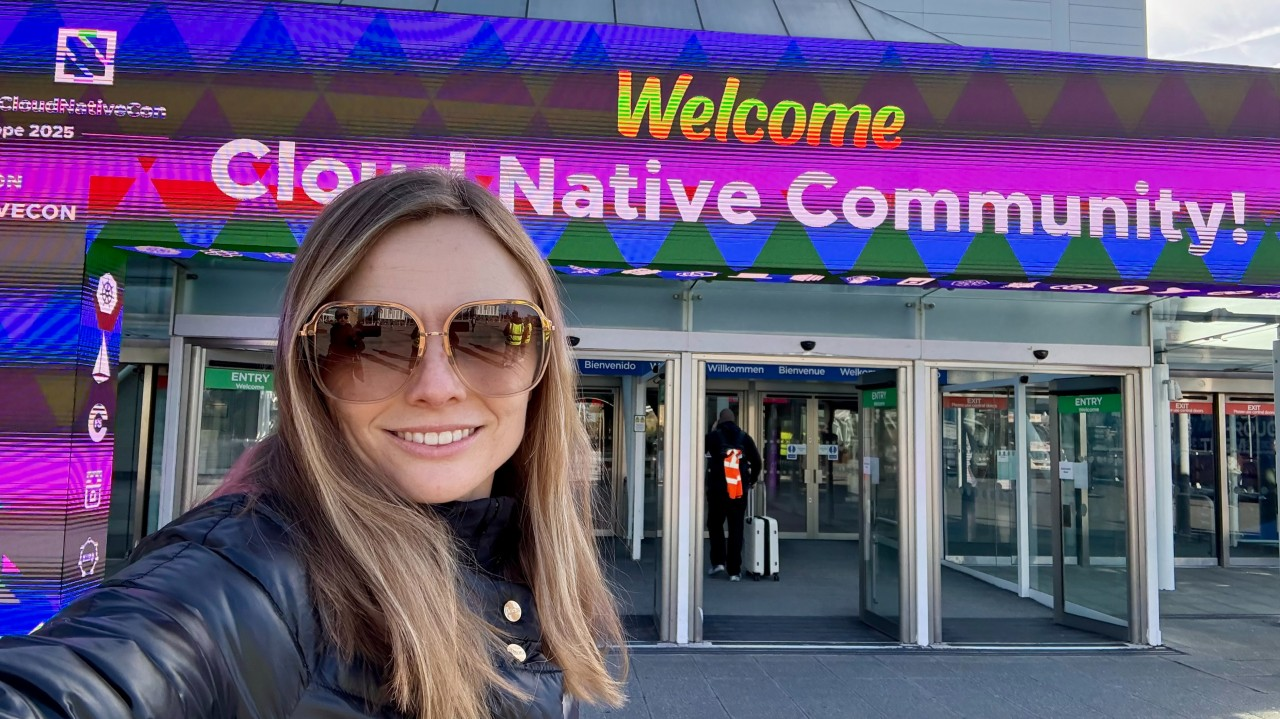
I was recently on a flight from London to San Francisco, returning home from KubeCon Europe, one of the major tech conferences in my industry. Too tired to read yet too alert to sleep, I found myself endlessly scrolling through the in-flight movie selection when I landed on The Great Gatsby (2013) starring Leonardo Di Caprio as Jay Gatsby. As I watched, I couldn’t help but think of the excellent Storytelling class taught by Professor Dan Klein, which I took as part of the Innovative Technology Leader at Stanford in 2023. Gatsby’s narrative arc, the stakes, transformation, and the tension in every scene brought those storytelling principles vividly back to life.
The very elements that have made Gatsby compelling for over a century are the same ones that can turn a customer case study or a pitch deck for a complex piece of B2B software into an irresistible narrative that captures prospective buyers’ attention.

The following five lessons sum up what makes Fitzgerald an exceptional storyteller:
- Use a clear narrative structure that moves the audience from problem to resolution
- Layer sensory detail to make abstract value concrete
- Represent big ideas in symbols that makes them memorable
- Keep tension alive with surprise and mystery
- Close with a universal message that transcends features
Read on for the how and the why, plus a quick checklist that you can apply to Tech marketing, from your next product launch to your event keynote.
First: Apply a narrative structure
A finely crafted narrative structure guides “The Great Gatsby”:
- Platform: The historical backdrop sets the stage with the initial circumstances of key protagonists before the main action.
- Tilt: A pivotal event disrupts the established order, propelling the protagonist into the story’s central conflict and journey that follows.
- Cascading Events: Subsequent challenges and obstacles intensify the story’s tension, complexity, and conflict. With the stakes raised, the narrative propels forward.
- Climax/Change: The narrative peaks amidst a tense conflict through the protagonist’s central challenge, resulting in a pivotal change or revelation. This climax (the story’s most dramatic point) resolves the main conflict and tees off the conclusion.
- New Reality: The climax’s aftermath shapes the new reality, ties up loose ends, and concludes the story while revealing how the characters’ world has changed, outcomes, lessons learned, and final closure.

Fitzgerald constructs his novel upon a platform of Jazz Age opulence, setting the stage for the tilt: Gatsby’s obsessive quest for Daisy Buchanan’s love. This quest spirals into cascading events: lavish parties, clandestine meetings and tragic revelations that propel the narrative towards its climax: the confrontation at the Plaza Hotel, leading inexorably to the novel’s harrowing conclusion. In the wake of tragedy, characters must grapple with their new reality.
Why this works
According to Stanford’s professor Jennifer Aaker, “Stories are remembered up to 22 times more than facts alone.” A great narrative pulls your audience in and helps them absorb, remember and act on the information you’re sharing with them.
A superb narrative structure is a must for effective storytelling. Yet to truly captivate, we must go deep and sensory too.
Second: Compel your reader through rich sensory details
Fitzgerald’s narrative brings sensory details: sounds of laughter and jazz from Gatsby’s mansion, movement of his colorful shirts he’s throwing around, visuals of parties draw us to West Egg, a fictional town on Long Island. Through his writing, Fitzgerald crafts a vivid landscape that helps the reader feel the emotions of the main characters, from Gatsby’s relentless optimism to Daisy’s gloomy boredom.
As a storyteller, I’m stunned with Fitzgerald’s use of details to elevate the characters and our sensory experience as his readers. He describes Daisy and Jordan with poetic details:
“dressed in white, and their dresses were rippling and fluttering as if they had just been blown back in after a short flight around the house.”

(Gasp. Imagine incorporating metaphors like these in our pitches!) Or the moment Gatsby throws his shirts before Daisy, prompting her tears, blends visual, emotional, and even kinesthetic descriptions wows me. (Imagine sharing raw emotions like these in our storytelling, even a smidgen.) Talk about elevating your message. And making it stick.
Why this works
Neuroscience shows that language filled with vivid sights, sounds, textures and movement does more than delight readers. It lights up the same sensory circuits that fire during direct experience, which in turn deepens attention, improves memory, fuels emotion and nudges buying decisions. [Source: ScienceDirect]
You can make your product even more memorable by adding symbolism and dramatic techniques.
Third: Blend symbolism and themes
Fitzgerald’s use of the green light at the end of Daisy’s dock serves as a potent symbol throughout the novel. It represents Gatsby’s hopes and dreams for the future, particularly his desire to reunite with Daisy. This symbol encapsulates the themes of ambition, longing, and the disillusionment of the American Dream.
“Gatsby believed in the green light, the orgastic future that year by year recedes before us. It eluded us then, but that’s no matter—tomorrow we will run faster, stretch out our arms farther…. And one fine morning——”
This quote captures the perpetual and untethered pursuit of dreams that I find quintessentially American. Whenever I read it, I think of the pioneers and their tenacity, grit and perseverance that I found so captivating when watching Western movies as a kid that grew upon the other side of the world, in Poland, during a time of massive change and new beginnings.
Why this works
Symbols like Gatsby’s green light work because the brain sees them as shortcuts that trigger emotion. In enterprise software, a strong visual like a logo or icon (or a minimalist architecture diagram) can do the same. It taps into the part of the brain used to recognize faces, making it instantly recognizable. This helps people understand value quickly and with less effort. A great visual shows what your product does without making the viewer think too hard. [Source: Designing for recognition by Janine (Nock) Rosado]

Fourth: Utilize dramatic techniques
Fitzgerald’s use of surprise, suspense, mystery, and secrets keeps the reader engaged and enhances the storytelling. These elements create a sense of unpredictability, drawing readers deeper into the story as they seek to uncover hidden truths and anticipate outcomes. Integrating these techniques into your storytelling can captivate your audience, keeping them invested in the narrative from beginning to end.
Dramatic techniques including surprise, suspense, mystery, and secret enchant us and deepen an unpredictable tale. Memorable quotes capture the novel’s theme on the longing and elusive nature of the American Dream.
“Can’t repeat the past? Why, of course you can!”
Gatsby asserts, and with that, reminds us of the American’s unique confidence and ability to reinvent or recreate on a whim, a quality I adore about America and don’t quite find elsewhere.
Why this works
A mid-story twist grabs your audience’s attention and ensures they’ll more likely to remember your message. When the audience encounters information that breaks its prediction, it opens a window for stronger long-term memory formation. [Source PMC]
Fifth: Share a universal message
“The Great Gatsby” demonstrates the power of stories that, while rooted in a specific time and place, speak to universal human experiences and emotions. The novel’s adaptability to different eras through film adaptations underscores its timeless appeal and the enduring relevance of its themes. Crafting stories that tap into universal truths and emotions can ensure they resonate across different audiences and stand the test of time.
This is the opening line of F. Scott Fitzgerald’s “The Great Gatsby,” setting the tone for the novel’s exploration of themes such as privilege, judgment, and empathy.
“In my younger and more vulnerable years my father gave me some advice that I’ve been turning over in my mind ever since. ‘Whenever you feel like criticizing any one,’ he told me, ‘just remember that all the people in this world haven’t had the advantages that you’ve had.’”
Why this works
In enterprise software marketing, weaving universal messages (like the advice in Gatsby) builds a bridge between abstract technology and real human desire of belonging, purpose, or progress. A message such as e.g. Vercel‘s “Go ahead, ship on Friday” keeps the story sticky long after your pitch meeting.

Bringing Gatsby’s lessons to Tech Marketing
As my flight descended into San Francisco, I reflected on how these storytelling principles could elevate my next marketing campaign. Contrary to the notion that Tech Marketing is all about listing features, the best marketers tell stories of transformation. And these stories speak to deep, human needs.
Like Gatsby’s green light, our products symbolize aspirations and possibilities. The tension between where our users are today and what they hope to achieve tomorrow creates the same narrative drive that fuels Fitzgerald’s masterpiece. Whether we’re writing the next great novel or a compelling launch campaign, the goal is the same: to connect, inspire, and offer a glimpse of a better future.
Below is a five-step playbook for turning any complex B2B pitch into a Gatsby-grade narrative buyers remember:
✅ Narrative structure: guide readers from problem → pivotal complication (stakes rise) → solution → measurable results
✅ Sensory details: turn metrics into moments your audience can see, hear, or feel, make them tangible vs. abstract
✅ Symbolism & theme: repeat one memorable image or punchline that embodies your promise
✅ Memorable reveal: drop a surprising fact or twist midway to reignite attention and prove credibility
✅ Universal message: close by linking the outcome to a shared aspiration that outlives any single feature

 Tech Surprises